
JEWELLERY CARE - COMPLETE GUIDE
HOW METALS CHANGE OVER TIME
UNDERSTANDING TARNISH
Precious metals naturally change over time through exposure to air, moisture, minerals and everyday wear. Depending on the metal used, this may appear as tarnishing, dullness, surface marks or gradual changes in finish — all of which are a natural part of wearing and enjoying jewellery.
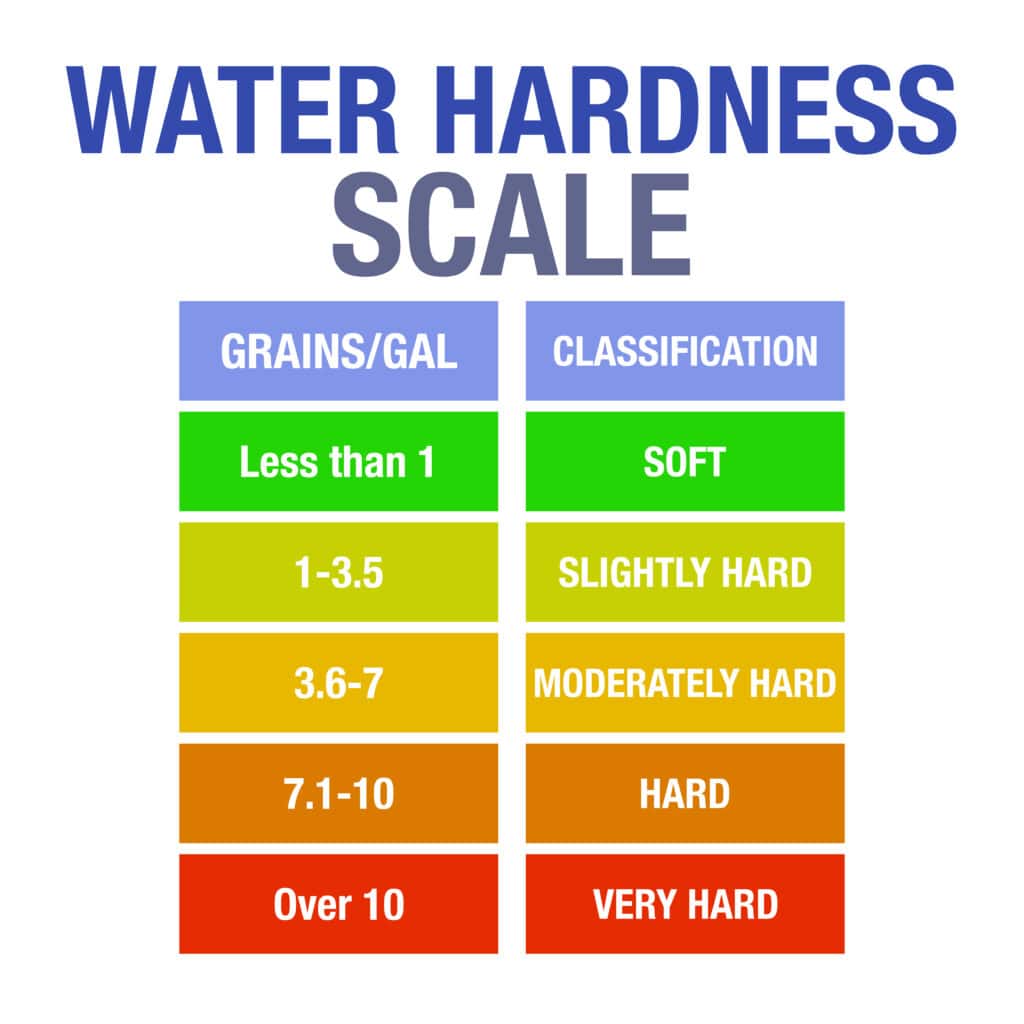
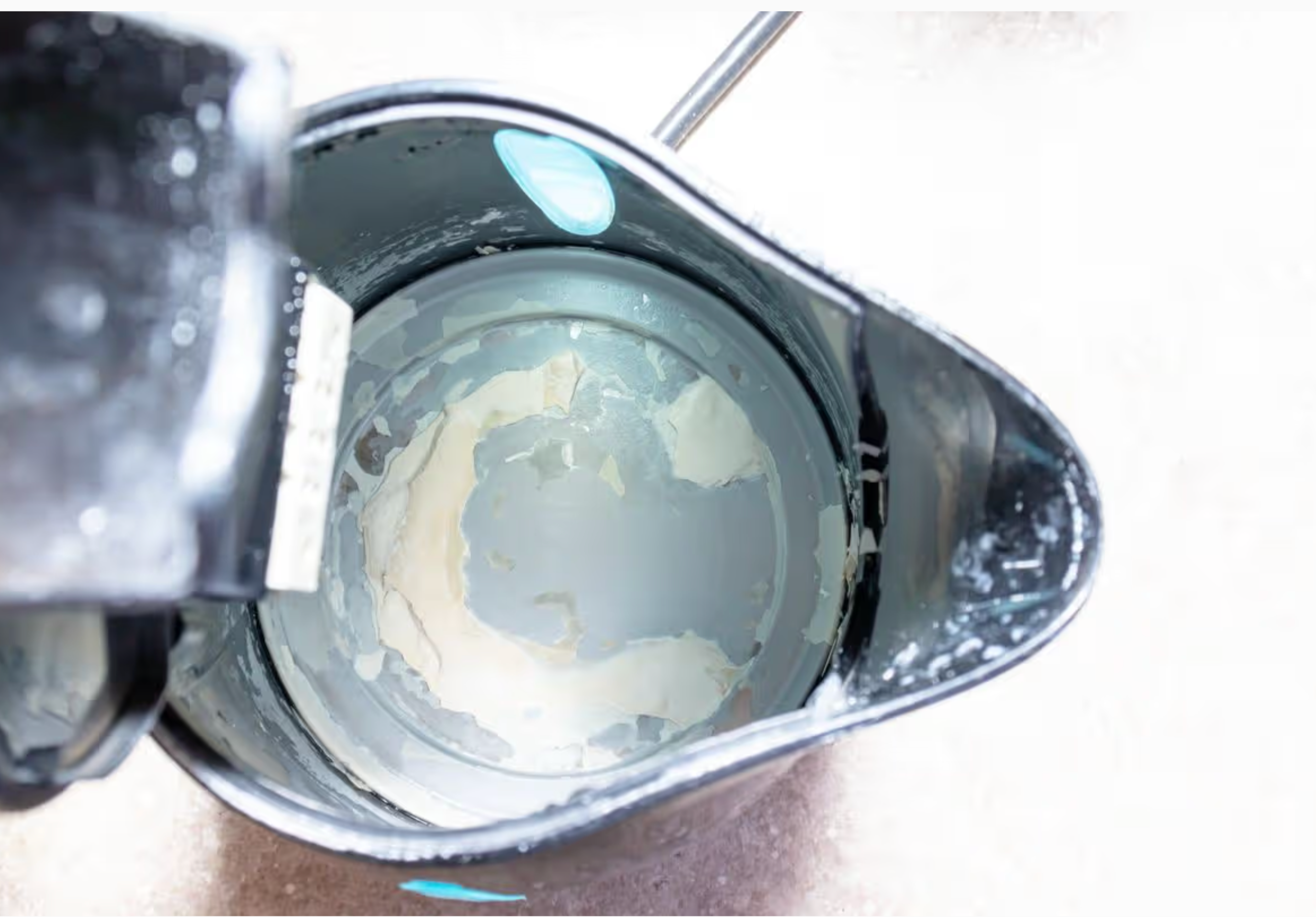
Everyday exposure to perfumes, lotions, soaps, chlorine, cleaning chemicals and even natural oils or sweat can gradually affect the surface of jewellery. Water can also play a role, particularly in hard water areas where limescale and mineral residue may contribute to dullness or spotting over time.
These changes are completely normal and are not a sign of poor quality. With thoughtful care, occasional polishing and proper storage, precious metals can usually be restored to their original shine and finish.
RESTORING SHINE
UNDERSTANDING SURFACE WEAR
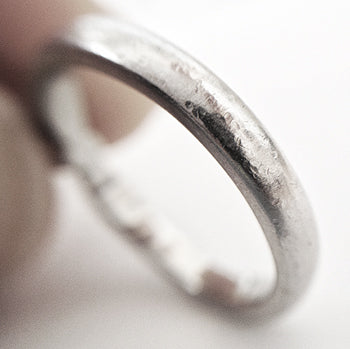
Fine scratches and surface marks are a natural part of wearing jewellery, particularly on rings and pieces worn daily. Over time, precious metals gradually develop signs of wear through contact with surfaces, fabrics and everyday activities.
Jewellery polishing cloths are ideal for maintaining shine and reducing light tarnishing or minor surface dullness at home. However, deeper scratches and more noticeable wear may require professional polishing by a jeweller to help restore the original finish of the piece.
With thoughtful care and occasional professional maintenance, precious metal jewellery can continue to be worn and enjoyed for many years to come.
Gemstone Care
Diamonds
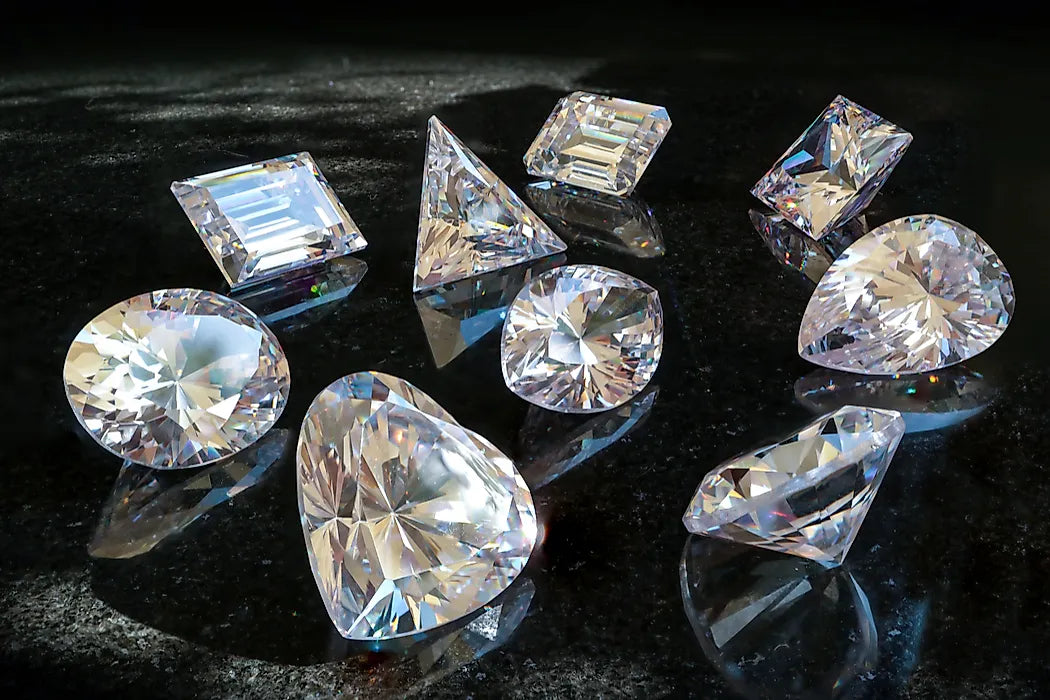
Diamonds are highly durable, but regular wear can dull their brilliance through oils, lotions and everyday residue. Clean gently using warm water, mild soap and a soft brush, taking care around delicate settings. Store separately from other jewellery to help prevent scratching.
Gemstone Care
RUBIES & SAPPHIRES
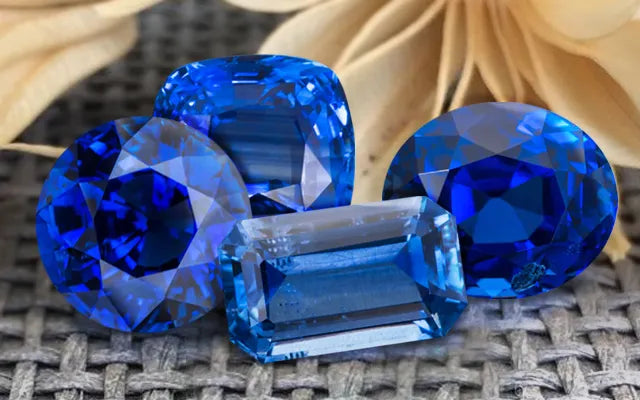
Rubies and sapphires are durable gemstones suited to everyday wear, but still benefit from gentle care to maintain their brilliance. Clean using warm water, mild soap and a soft brush, avoiding harsh chemicals or abrasive materials. Store separately from other jewellery where possible to help prevent scratches to both the gemstones and surrounding metals.
Gemstone Care
EMERALDS
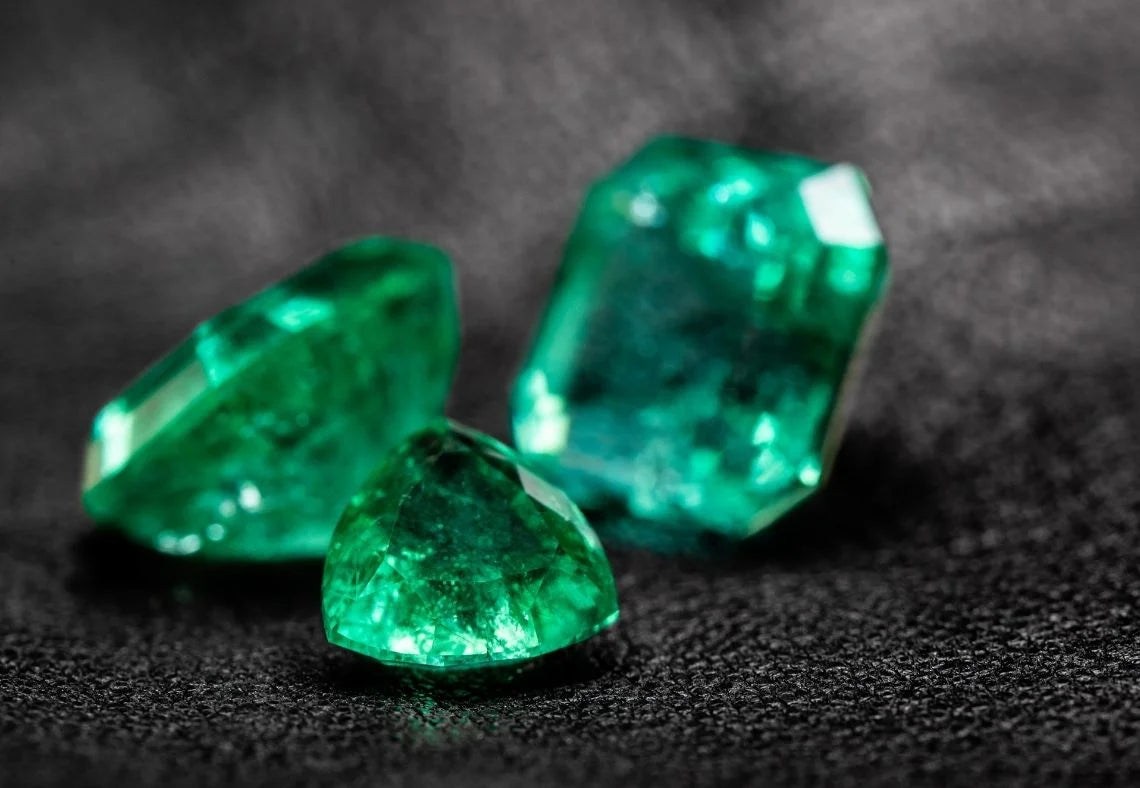
Emeralds are naturally more delicate gemstones and should be handled with extra care. Due to their natural inclusions and common treatments, avoid ultrasonic cleaners, harsh chemicals and sudden temperature changes. Clean gently with warm water, mild soap and a soft cloth, storing pieces carefully to help protect the stone from knocks or scratches.
Gemstone Care
OPALS
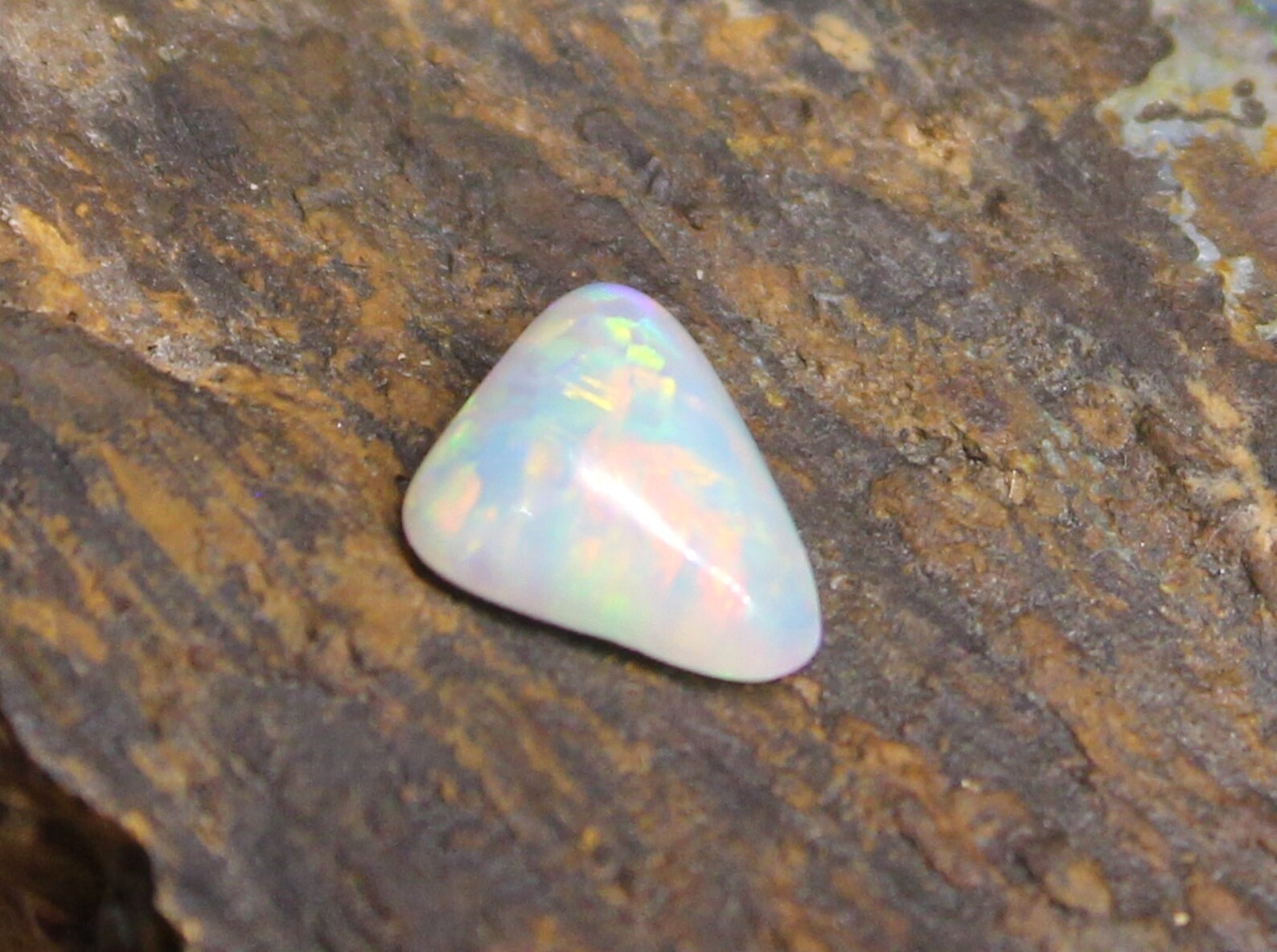
Opals are softer, more delicate gemstones that require extra care during wear and cleaning. Avoid prolonged exposure to heat, intense sunlight and sudden temperature changes, as these can cause cracking or surface damage. Clean only with warm soapy water and a soft cloth, storing pieces carefully to avoid scratches or impacts.
Gemstone Care
Amethyst / Rose Quartz / Citrine etc
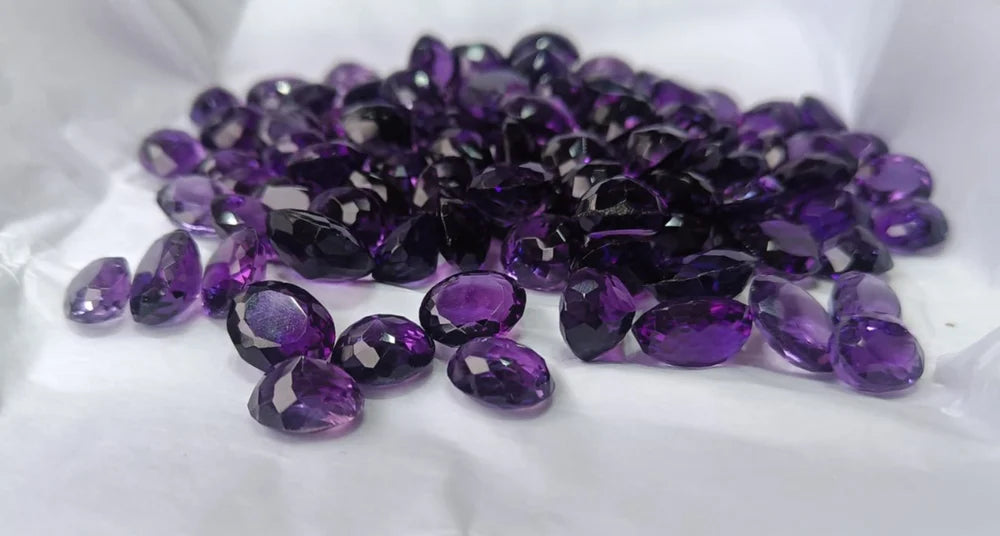
Quartz gemstones are relatively durable but still benefit from gentle care. Avoid prolonged direct sunlight, particularly with amethyst and rose quartz, as colour fading can occur over time. Clean using warm water, mild soap and soft materials, avoiding harsh chemicals or abrasive cleaning products.
Gemstone Care
PEARLS
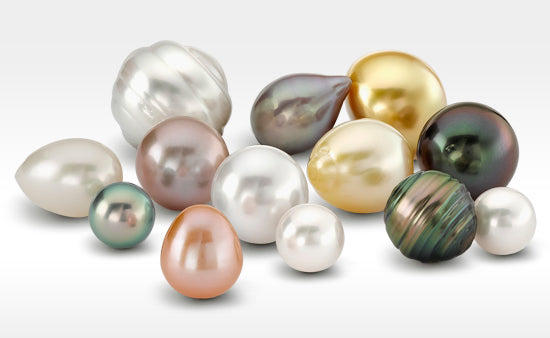
Pearls are delicate organic gemstones that benefit from gentle handling and careful storage. Avoid direct contact with perfumes, lotions and harsh chemicals, as these can affect their natural lustre over time. After wearing, wipe pearls softly with a clean cloth and store separately in a soft pouch to help prevent scratches.
Jewellery care Questions
Care and maintenance
For our metal pieces, including our signature keyrings:
- Use warm water and mild soap
- Gently clean with a soft brush
- Rinse thoroughly
- Dry completely with a lint-free cloth
- Avoid harsh chemicals or abrasive materials
We recommend cleaning your jewellery every few weeks to maintain its shine and beauty. For daily wear items, gentle cleaning with a soft cloth after each use helps prevent buildup of oils and lotions.
Store your pieces individually in a cool, dry place, ideally in the original packaging we provide. For additional protection, we recommend using soft cloth pouches or lined jewellery boxes to prevent scratching.
Light tarnishing is natural for some metals. For most pieces, a jewellery polishing cloth will restore the shine. Depending on the level of tarnish, you make need to take to a professional jeweller for the item to be re-polished or cleaned with equipment such as an ultr sonic cleaner.
PLATED AND PERSONALISED JEWELLERY
The lifespan of jewellery plating can vary depending on the thickness of the plating, how often the piece is worn and how it is cared for. With thoughtful wear and proper care, gold or rhodium plating can retain its finish for months or even years, however gradual fading over time is completely natural — particularly on rings and pieces worn daily.
To help preserve plated finishes, avoid exposing jewellery to moisture, perfumes, lotions, chlorine and cleaning products wherever possible. Removing jewellery before showering, swimming, exercising or sleeping can significantly extend the life of the plating. Gentle cleaning with a soft cloth and careful storage away from other jewellery can also help minimise wear and surface scratching.
In many cases, yes — plated jewellery can often be professionally re-plated to help restore its original finish and shine. The process and suitability can vary depending on the condition of the piece and the underlying metal, so it is best to consult a trusted jeweller for advice before replating.
BEST PRACTICE
We recommend removing your Lynne Lee jewellery before:
- Swimming (pool or ocean)
- Showering
- Applying lotions
- Exercise
- Sleeping
Remove jewellery before exercising to prevent damage from sweat, impacts, and chemicals that can compromise proper jewellery care.
Jewellery should ideally be removed before showering, swimming or exercising, as prolonged exposure to moisture, chemicals and minerals can affect both precious metals and gemstones over time. Tap water — particularly in hard water areas — can contribute to tarnishing and dullness, while products such as soaps, perfumes, chlorine and lotions may gradually impact the finish and shine of your jewellery.
Ultrasonic cleaners can be effective for removing dirt and restoring shine, however care should be taken before using them at home. Certain gemstones — particularly softer or treated stones such as opals, emeralds and pearls — may be damaged by ultrasonic vibrations. It is also recommended to use distilled or de-ionised water where possible, as tap water, particularly in hard water areas, can leave mineral deposits that gradually dull metals and gemstones over time.
Yes — some gemstones are naturally more durable than others, making them better suited to certain types of jewellery. Harder stones such as diamonds, rubies and sapphires are generally well suited to everyday rings, while softer or more delicate gemstones such as opals, pearls and emeralds benefit from gentler wear. Pieces containing softer stones are often best reserved for occasional wear, particularly in rings which experience more frequent knocks and contact during daily activities.
A few simple habits can help preserve the shine and finish of your jewellery for years to come:
- Use a jewellery polishing cloth regularly to gently remove oils and light tarnishing. These cloths are typically infused with a fine polishing compound and should not be washed once spent — simply replace when needed.
- Where possible, use distilled or de-ionised water when cleaning jewellery, particularly in hard water areas where mineral deposits from tap water can gradually dull metals and gemstones.
- Store jewellery carefully in soft pouches, lined boxes or separate compartments to help reduce scratches, tarnishing and unnecessary wear.
- Remove jewellery before showering, swimming, exercising or using cleaning products to help protect both metals and gemstones from moisture, chemicals and impacts.
- Consider taking treasured pieces to a professional jeweller for occasional cleaning and polishing, particularly if the surface becomes heavily scratched or loses its original finish over time.
- Remember "Last on, first off". Int he morning put on your jewellery last after any lotions, cleaning skincare. Then at night, have it be the first thing you take off before going to bed and before adding any kind of night creams.